

Urban areas continue to grapple with increasing populations, which inevitably leads to congested roads and strained public transport systems. Traditional public transit methods often struggle to meet the demands of growing cities. Fortunately, innovative solutions such as the suspended monorail are emerging to enhance urban traffic flow. This article explores the benefits of suspended monorails and their potential to transform city transportation.
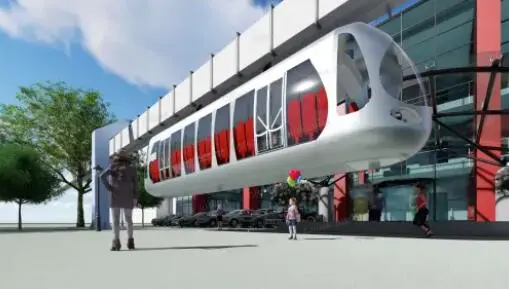
Elevating Public Transport Solutions
The suspended monorail offers unique advantages over traditional rail systems and road transport. By operating high above ground, it minimizes the need for extensive land use. This elevated design allows the monorail to avoid congestion and travel seamlessly above traffic, reducing delays caused by road blocks. Additionally, its minimal footprint allows for easy integration into existing urban infrastructure, making it an attractive solution for cities looking to improve transit without extensive disruption.
Enhanced Efficiency and Reliability
One of the standout features of the suspended monorail is its efficiency. Because it can traverse urban environments without the hurdles of street-level congestion, it provides a reliable mode of transport that can grow in line with city demands. Riders benefit from reduced travel times, making it an appealing choice for commuters. The increased frequency of trains also means that wait times are minimized, further encouraging public transport usage.
Additionally, suspended monorail systems can feature advanced technology that optimizes scheduling and minimizes delays. With features such as automatic train control and real-time updates, systems can adapt to ridership patterns and reduce waiting times, enhancing the overall experience for commuters.
Environmentally Friendly Travel
As cities become more environmentally conscious, the need for sustainable transportation options is paramount. Suspended monorails typically operate on electricity, which can be sourced from renewable energy. This dramatically reduces greenhouse gas emissions compared to cars and buses that rely on fossil fuels. By offering a greener alternative for urban travel, cities can significantly lower their carbon footprint and contribute to a healthier environment.
Furthermore, the reduced reliance on personal vehicles encourages the use of public transport, which eases the demand on roadways and leads to less traffic congestion. This dual benefit of cleaner air and fewer gridlocked roads makes suspended monorails a forward-thinking choice for modern urban transportation.
Economic Investment and Job Creation
The implementation of a suspended monorail system not only enhances traffic flow but also serves as a catalyst for economic growth. Building and maintaining such infrastructure can stimulate local economies, create jobs, and attract investment. As the monorail becomes a vital part of the transportation network, businesses in proximity often see increased foot traffic and greater economic activity.
City planners and policymakers are witnessing that investing in public transport systems, especially high-tech solutions like the suspended monorail, pays dividends. The long-term efficiency and sustainability of these projects often lead to a more vibrant urban landscape.
Conclusion
The suspended monorail stands out as an innovative solution for contemporary traffic challenges faced by urban areas. By providing an efficient, environmentally friendly, and economically beneficial mode of transport, it is poised to revolutionize city transit. As cities look to the future, the suspended monorail may soon become a cornerstone of urban mobility.
If you're interested in integrating a suspended monorail into your city's transport network, it's essential to find a reliable suspended monorail supplier. Please feel free to contact us for further information! Your city could be on its way to improved traffic flow and a sustainable future.


